Where rot starts
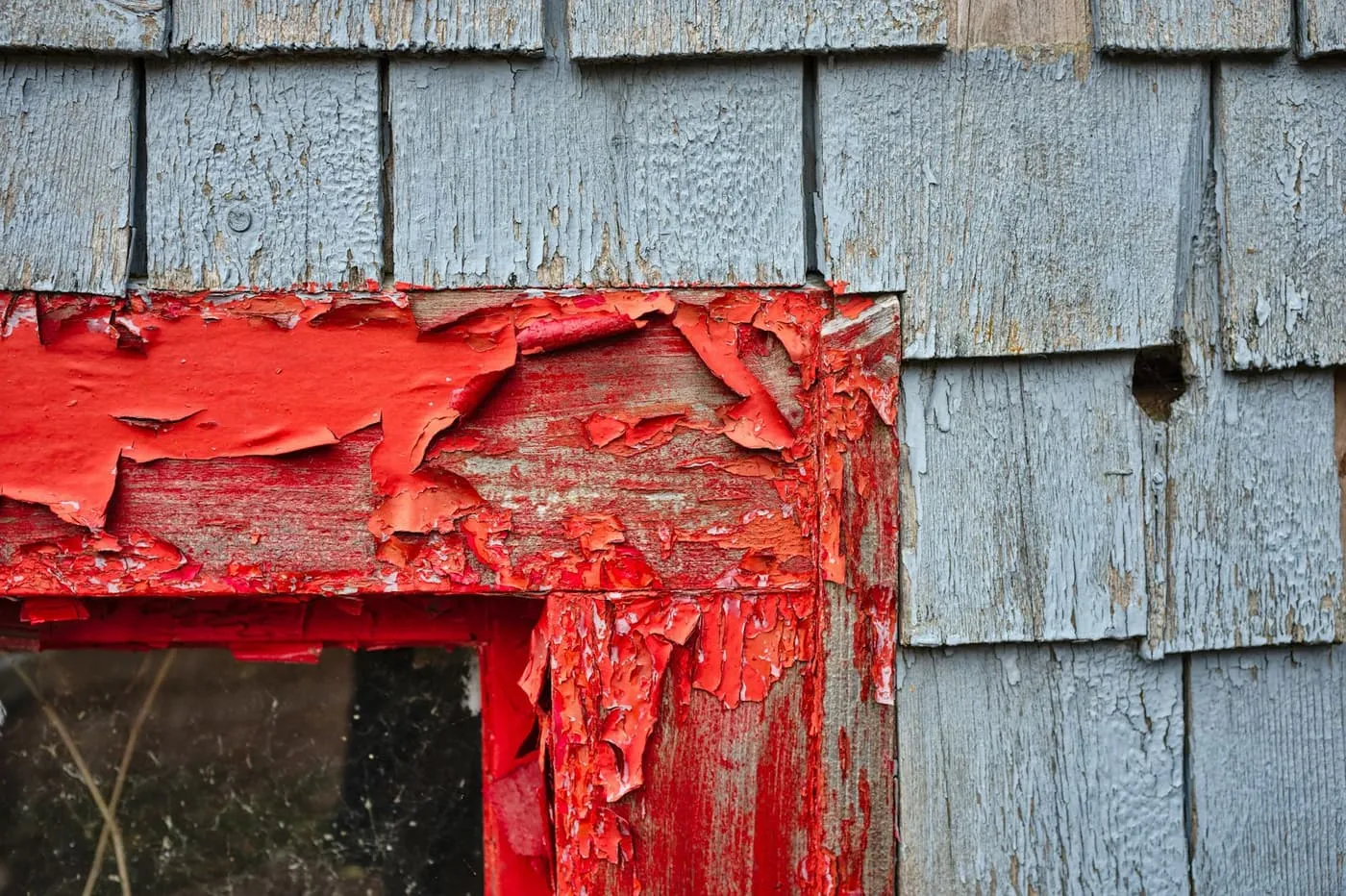
Wood rot starts wherever water sits and cannot dry out. On most houses in Northern Virginia, that means the bottom of door frames, window sills and the trim below them, the base of porch columns, and any trim where paint or caulk has cracked and let water in. The first sign is usually peeling paint. Press a screwdriver into the wood; if it sinks in, the wood underneath has started to go.
Rot does not stop on its own. Left alone, it spreads along the trim and into the framing behind it, and a repair that would have been a short length of trim turns into a door frame or a section of wall. Catching it early is the cheapest way to deal with it.
How we repair it
We cut out the rotted wood back to sound material, check what is behind it, and replace it with new material shaped to match the original profile. For trim that sits close to the ground or takes a lot of weather, a rot-resistant material such as PVC trim can be a better choice than wood, and it paints the same. We will talk through the options at the estimate.
Very small areas of rot can sometimes be consolidated and filled with an epoxy repair, which keeps the original piece. It suits decorative trim that would be hard to reproduce. For anything bigger, replacing the section is the lasting fix.
Sealing it so it stays fixed
Replacing the wood is half the job. The other half is keeping water out: priming every cut surface, including the ends and back, caulking the joints, and painting to match. We also look for the reason the rot started. A missing drip edge, a gutter spilling onto the trim, or a sprinkler hitting the same spot every day will rot new wood just as fast as the old. Gutter problems we can fix through our exterior maintenance service.
When it is more than trim
Sometimes the rot has gone further than the trim: into a sill plate, wall sheathing, or the structure of a porch or deck. When we find that, we stop and tell you what we see, before any more gets opened up. Structural repairs may need a permit or a different kind of contractor, and we will be straight with you about that.
Rot often shows up during a home inspection before a sale. If your inspection report lists rotted trim along with other small items, a honey-do list visit can work through the whole report. Rot around an exterior door is also a common find when a door is replaced; see door repair and installation.
What to have ready for the estimate
Walk around the house and note every place where paint is peeling or the wood feels soft, and take a photo of each one. Send the photos when you book, along with any mention of rot in a home inspection report. If you know the paint color of the trim, or have leftover paint, have it ready for the repair day. Access matters too: tell us about gates, dogs, and anything stored against the walls we need to reach.