What we repair
Most drywall damage in a lived-in house comes from the same handful of causes: a doorknob without a stop, a wall anchor that pulled out, a TV mount taken down, furniture moved without enough care. Those are small repairs and we handle them all the time. Bigger damage usually has a story behind it: a leak from the bathroom above, a stretch of wall opened up for a plumber or electrician, a corner bead crushed by a moving dolly.
We repair all of it, from a single nail pop to a section of wall or ceiling that needs new board. If a patch sits next to a light switch, a vent, or a corner, we’ll work carefully around it and blend the repair with the surrounding surface. We’ll discuss any finishing limitations and the best painting approach during your estimate.
How a good patch is made
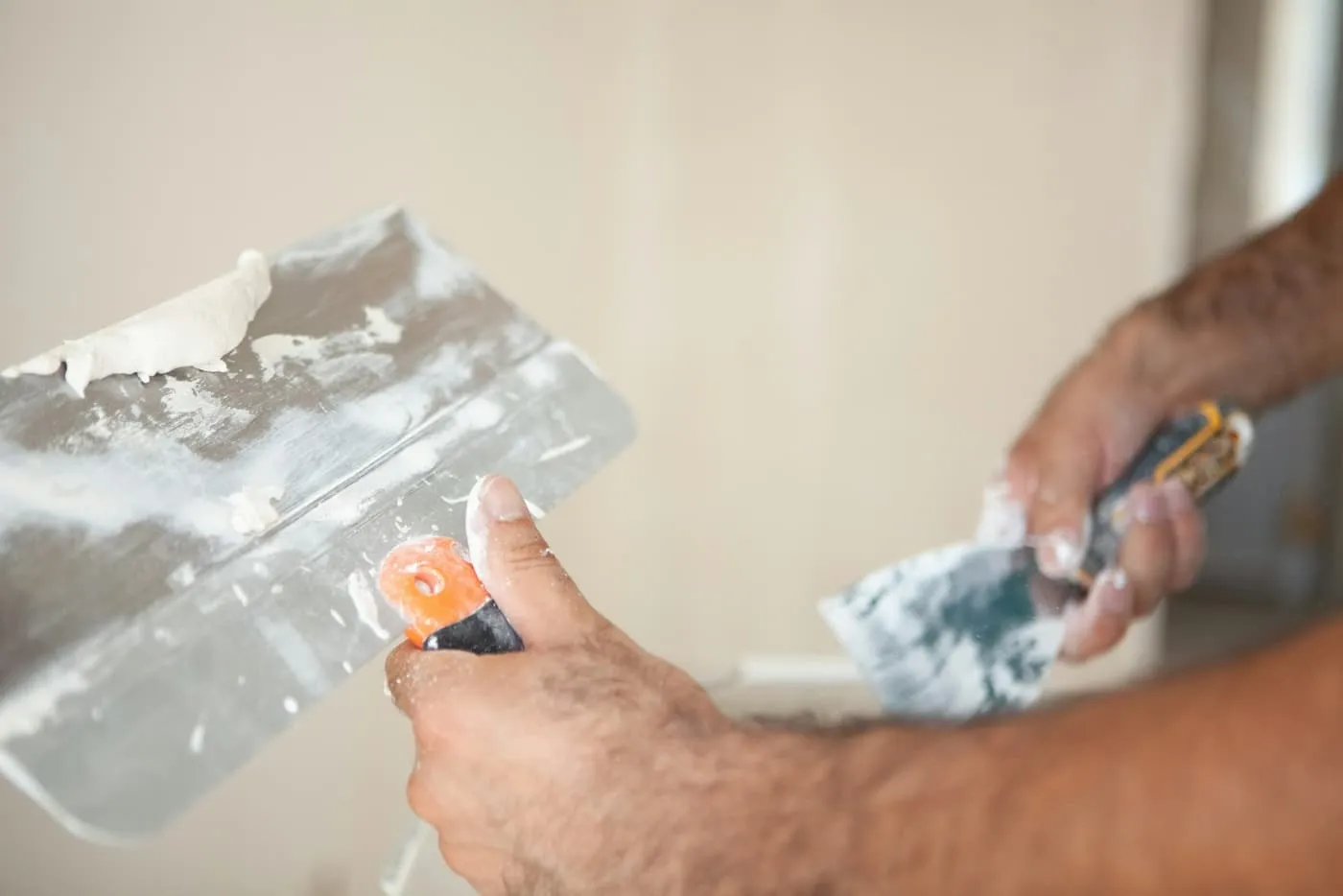
Small holes get a setting compound and a skim. Holes bigger than a fist get cut back to a clean square, backed, and filled with a new piece of drywall so the patch is as solid as the wall around it. Seams are taped, then finished in thin coats with drying time between them. Rushing that step is what leaves a ridge you can see when the afternoon light comes through the window.
Texture is the part people notice most. Many Northern Virginia homes have smooth walls, while others have an orange peel or knockdown finish, and ceilings are often different again. We’ll carefully blend the repaired area with the existing texture before painting. Texture, paint age, sheen, and lighting can affect the final appearance, so we’ll discuss the finishing approach during your estimate.
Cracks and water damage
Hairline cracks above doors and windows and along ceiling seams are common as a house settles and the seasons change. We open them up, tape them and finish them so they are less likely to come straight back. If a crack is wide, keeps growing, or runs across a whole ceiling, we’ll explain what we see and recommend a vetted structural professional to assess it before we cover it.
Water-stained drywall should only be repaired once the leak behind it has been fixed. If a plumber or roofer needs to fix the leak first, we’ll recommend one we’ve vetted. Once the leak is repaired, we can come back to cut out the damaged section, let the cavity dry, and replace it. Soft or crumbling drywall comes out; it is never just painted over.
Finishing the wall
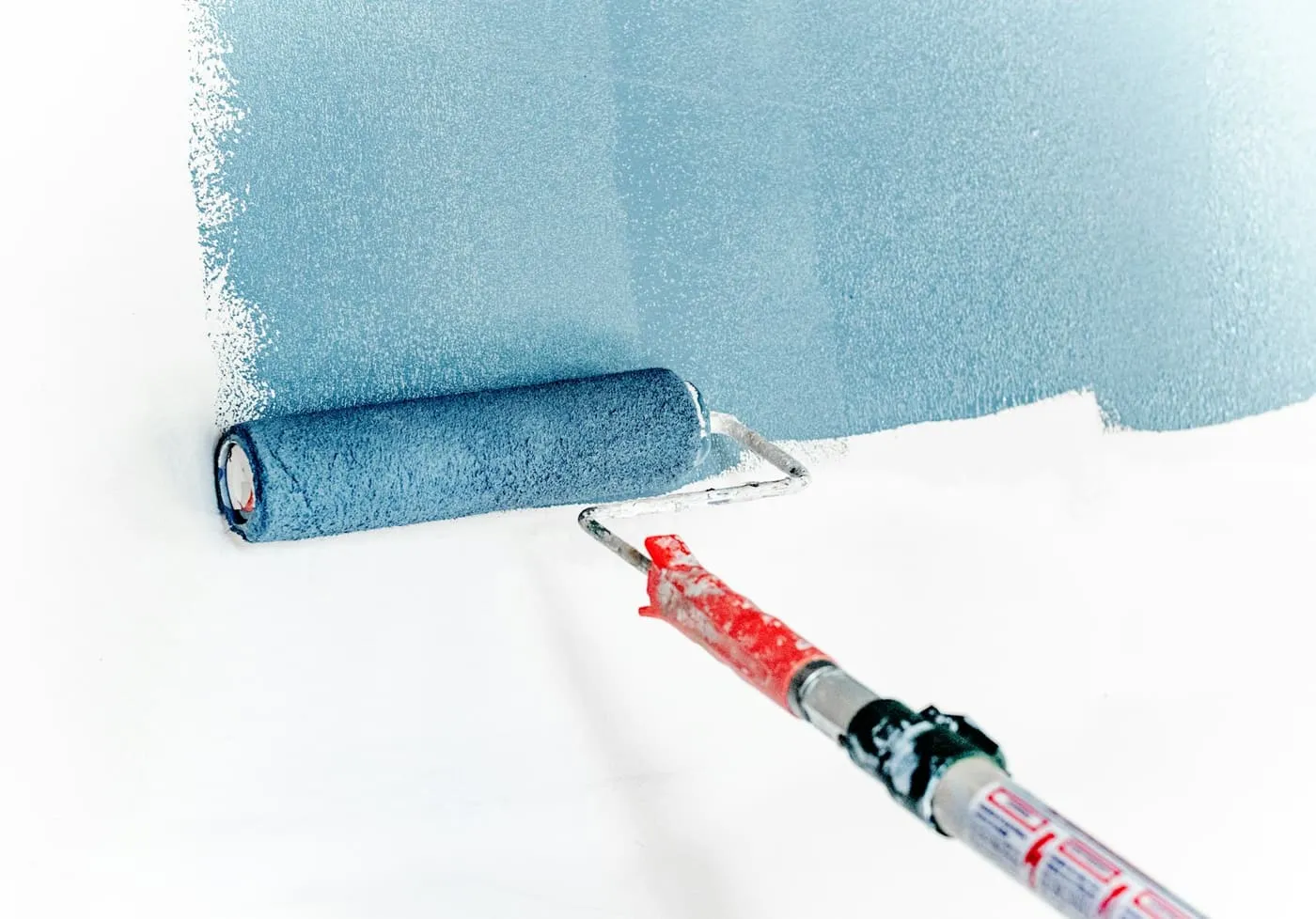
We can prime and paint the repaired area, paint the full wall for a more consistent finish, or include the rest of the room through our painting service. We’ll discuss the best approach during your estimate, taking the existing texture, paint age, sheen, and lighting into account. If you have leftover paint, let us know so we can assess whether it is suitable.
Drywall work makes dust, so we protect floors and furniture near the work and clean up the area before we leave. Several small repairs in different rooms can go on one visit, and they pair well with other jobs on the same trip, such as TV mounting or door repair.